
HealthEquity Compliance Dashboard
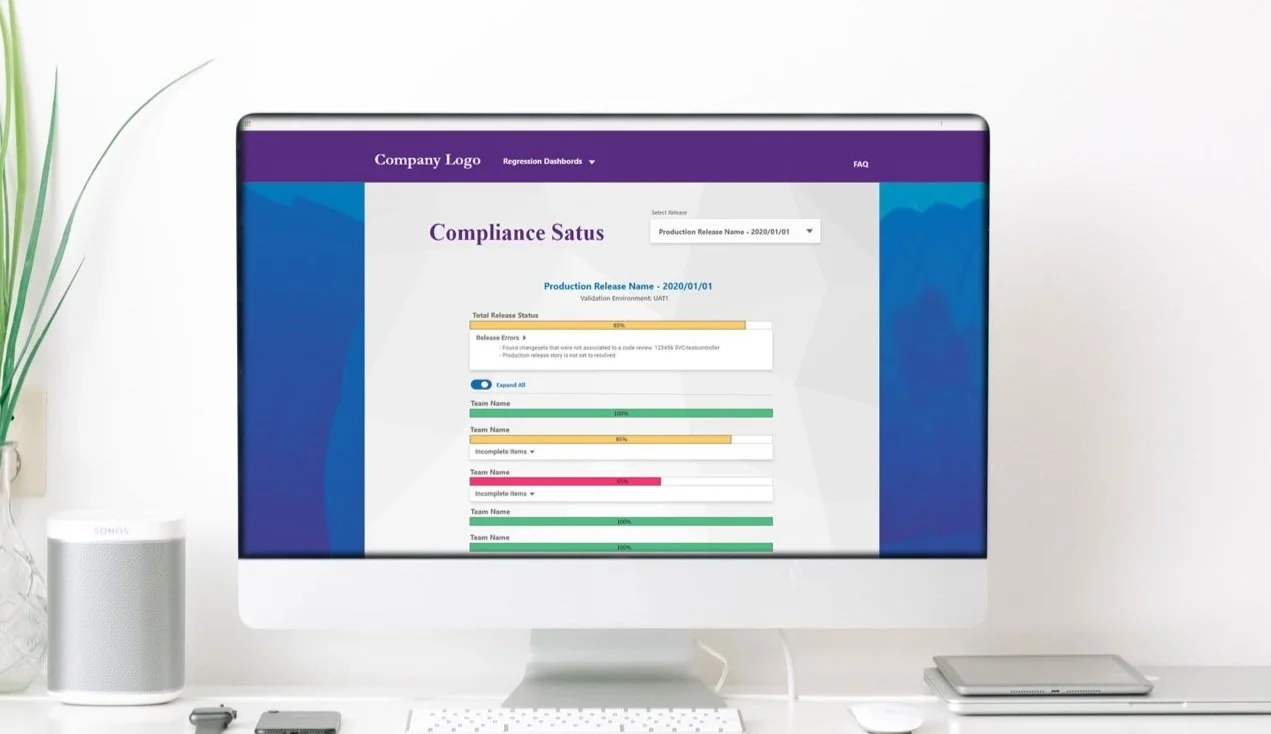
The problem we were trying to solve:
HealthEquity is an HSA administrator with a web portal where members can access their HSA financial information. (Visit this link to see the live HealthEquity website.)
The problem the engineering department faced was, scrum teams did not have visibility into the release of their monolith application, to ensure teams were ready to deploy changes to production. It was a very manual process to deploy.
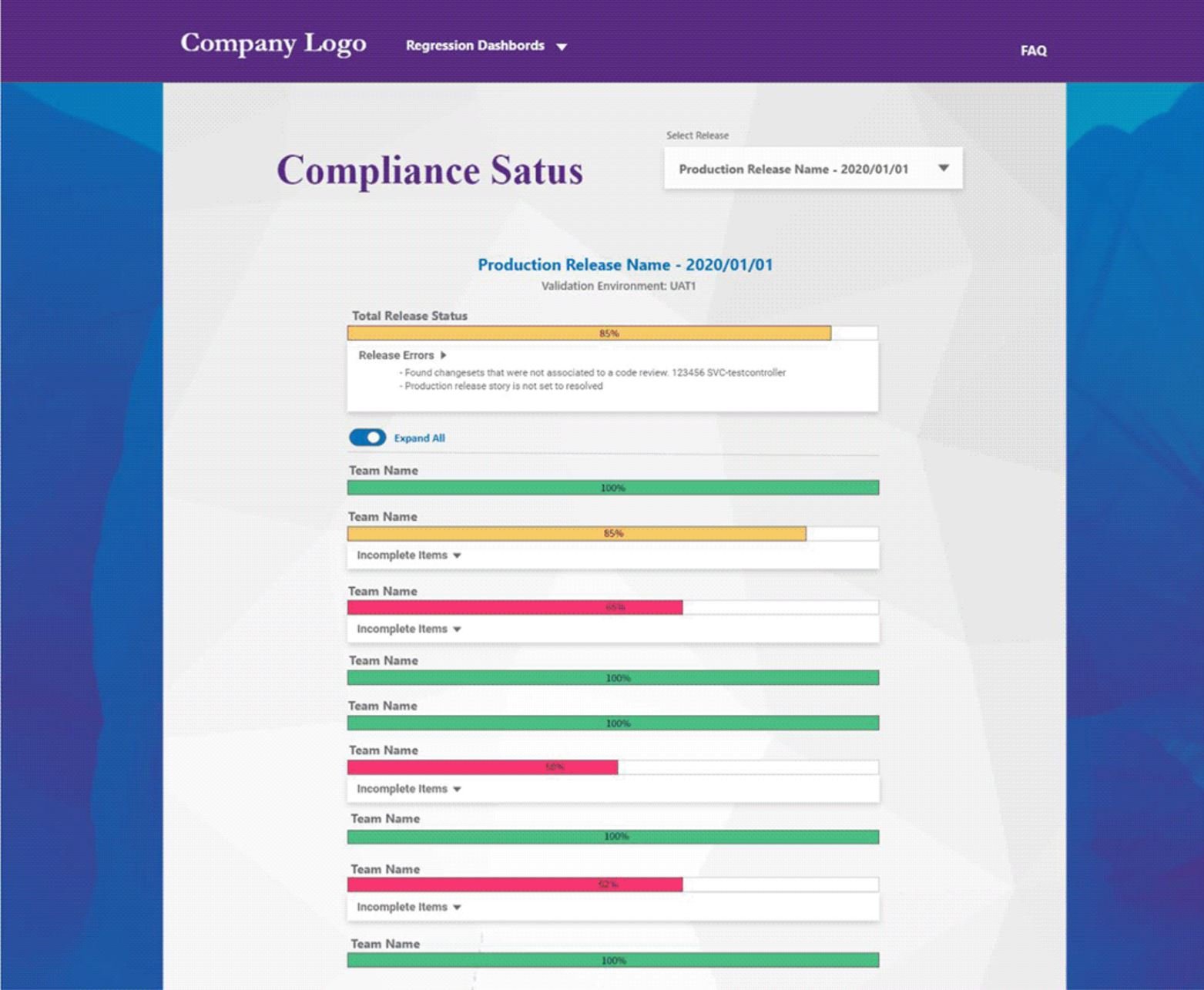
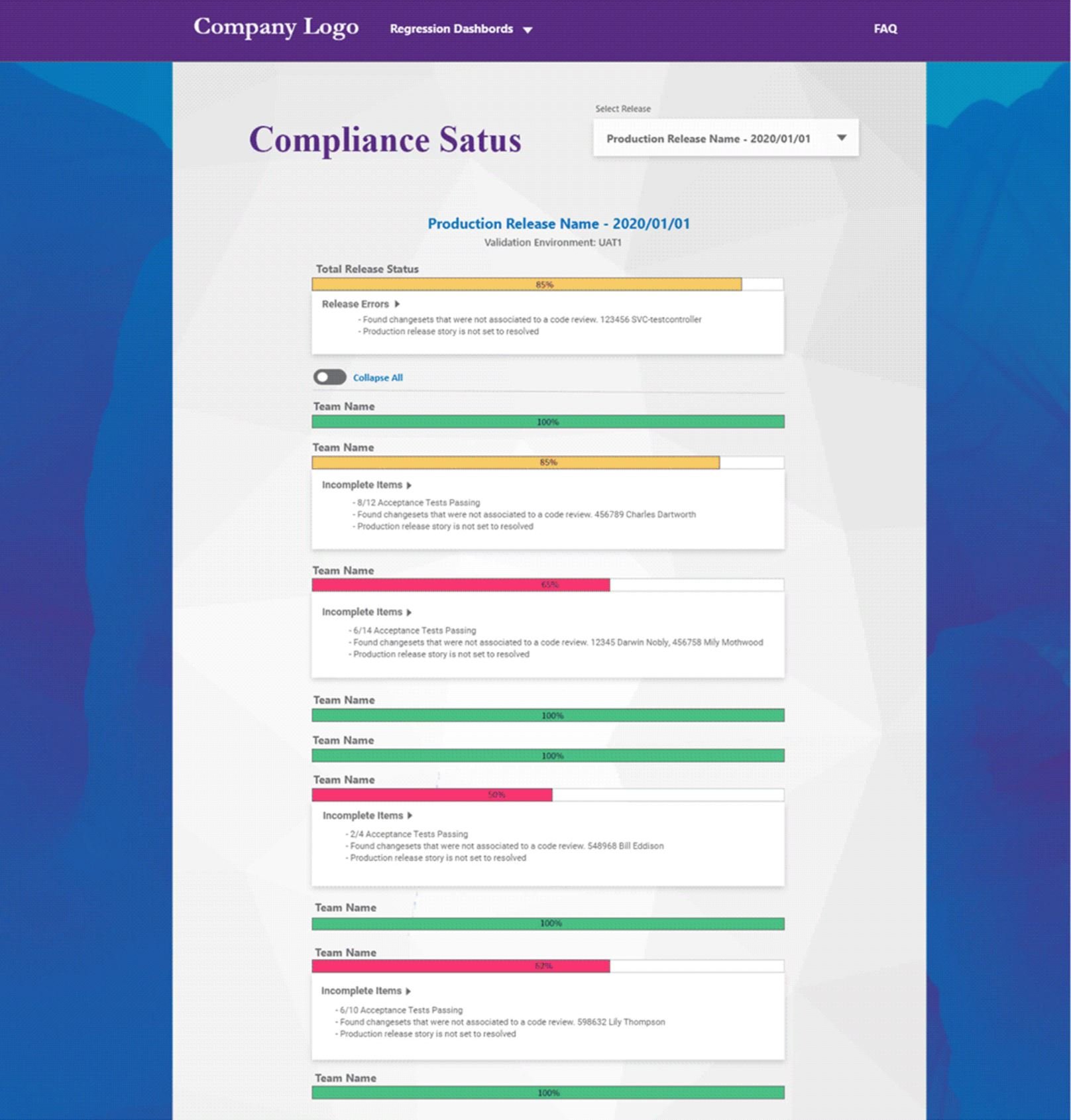
Our goal was to create a product that could easily be accessed from any browser within the engineering department, connect with Azure Devops to bring in and display related data to each release (failing tests, etc.), and display that data to the users in an easy was to understand so product owners and other developers could check if teams were ready to release or not.
Note: I have omitted or changed names, designs, logos, etc. in this case study to comply with my non-disclosure agreement. All information in this case study is my own and does not represent the views of HealthEquity.
Project goals and info
Create a web application where all teams in the engineering department could access information related to the current and past releases.
Ensure it is easy to understand why a team is not ready to release. (i.e. failing tests, wrong associated items, etc.
Provide historical data from previous releases and allows users to access it.
My role
Lead designer on the team working with 3 software engineers and a product owner
Conducted all user interviews with stakeholders and users and lead design strategy on the team.
Created all wireframes, mockups, and prototypes and conducted all user testing.
Built out the front-end code architecture of the application.
My process
Research & Define
As part of the research step in my process, I conducted interviews with our core users and stakeholders to understand the problem we were trying to solve from the user’s perspective.
I wanted to understand the user’s paint points and objectives to make sure we were taking a user centric approach to the design process.
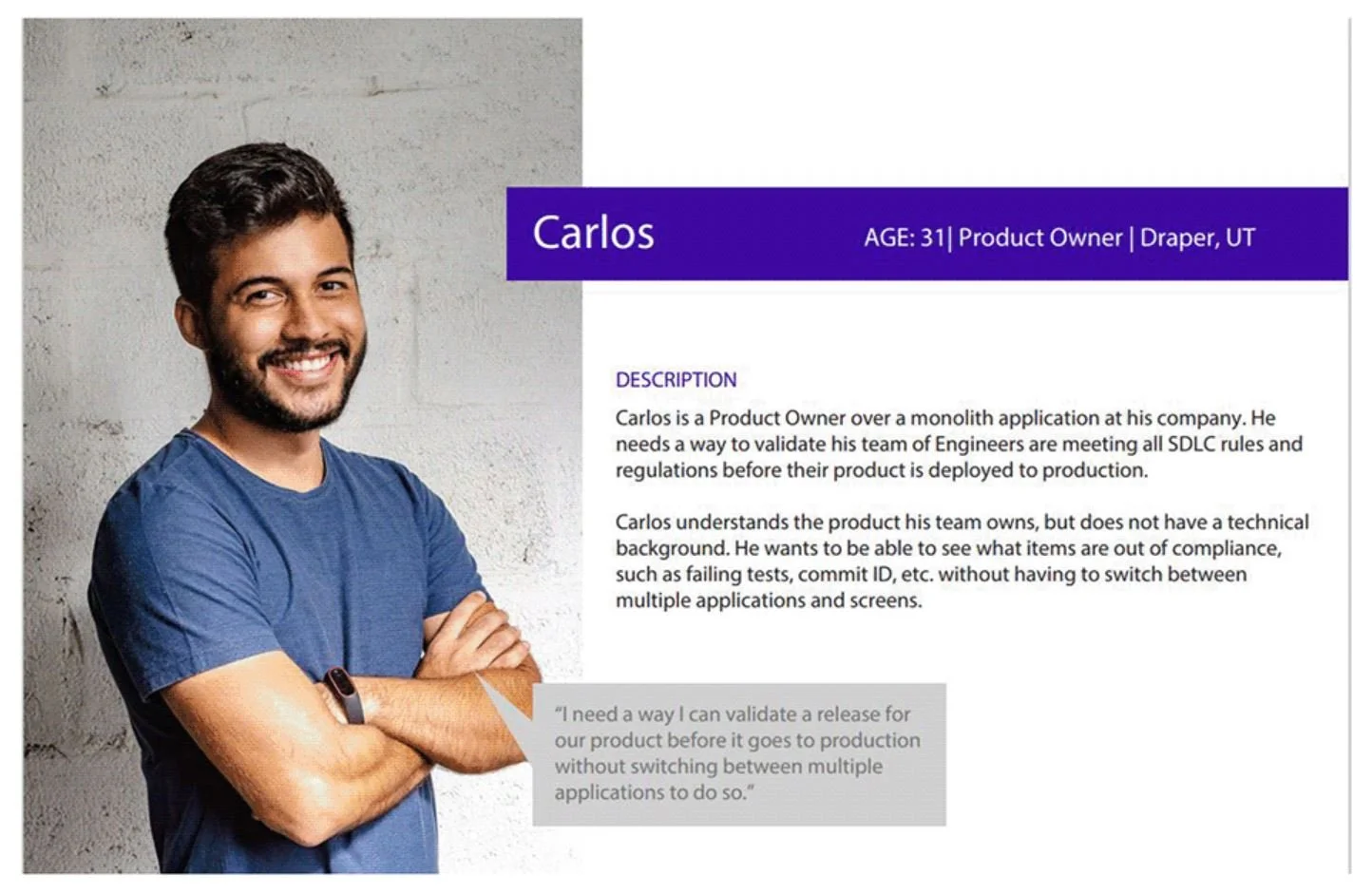
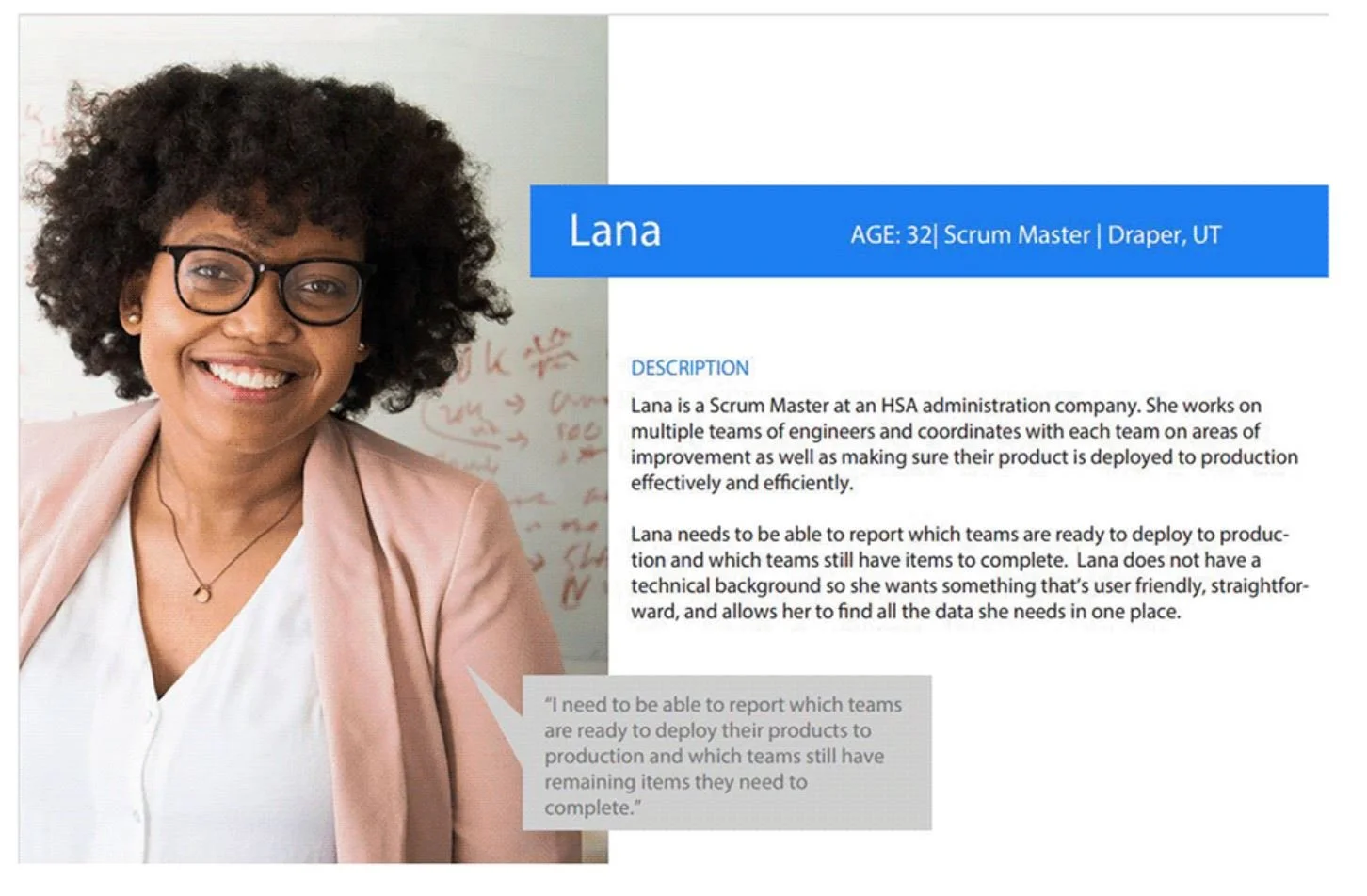
Target Users
Existing scrum masters in the department.
Existing product owners in the department.
With the research I collected about our core users I built personas to help us empathize with our users and make sure we were keeping them at the center of the design process.
Ideate
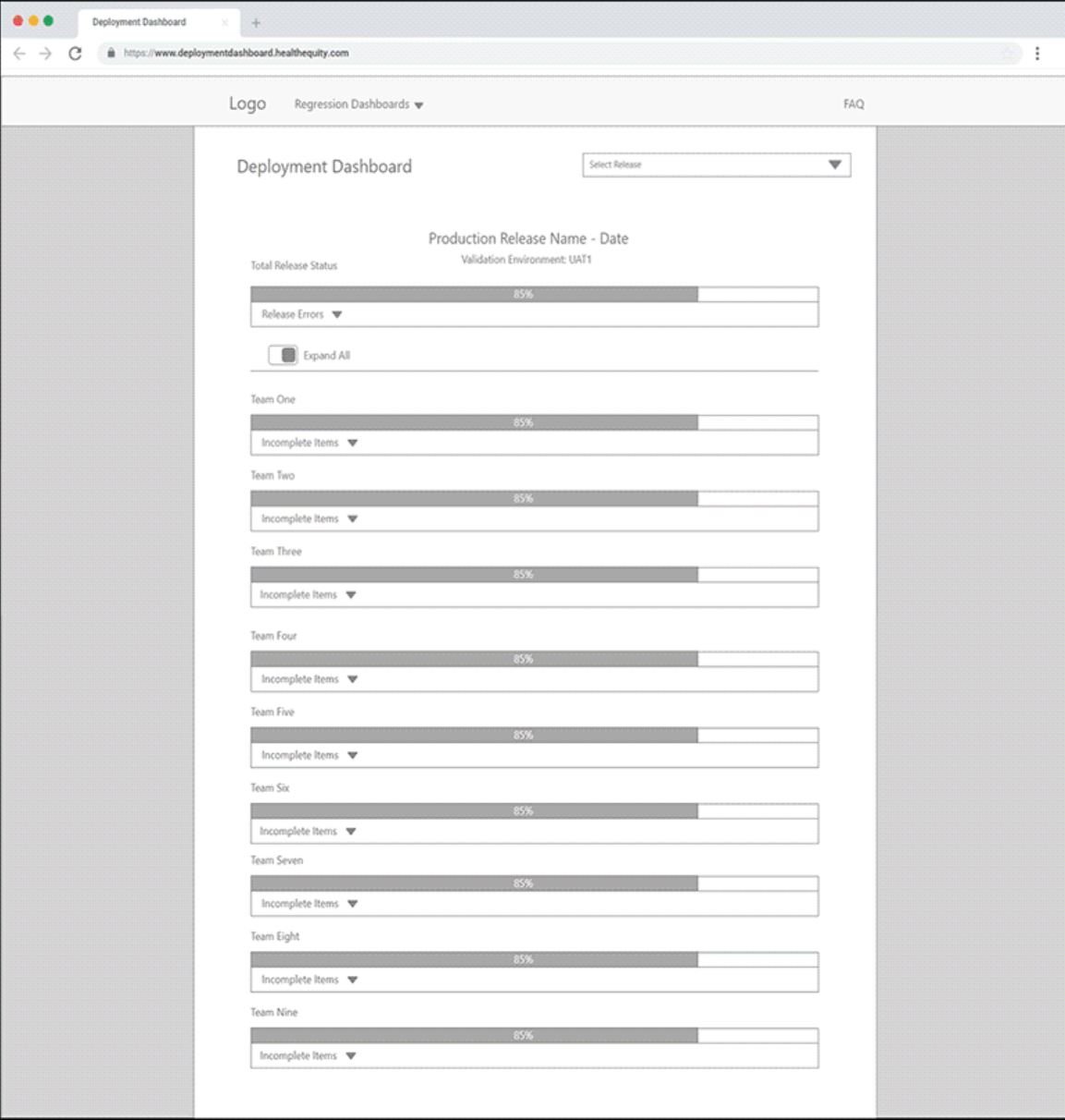
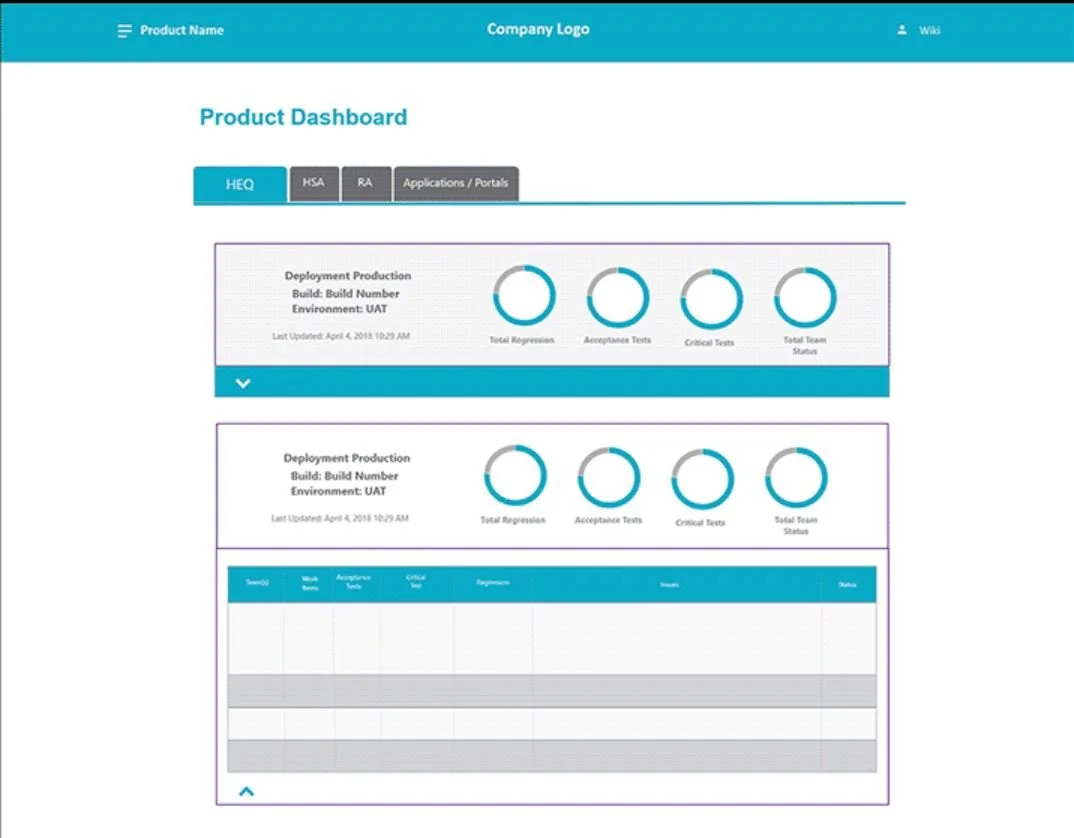
After gathering research, it was clear we needed a dashboard with charts to display information in a clear manor to our users. If they weren’t ready to release we needed tell them what items needed fixing before they could do so.
This led me to start making basic low-fidelity mockups to sketch out our ideas of the design and layout for the user experience.
This also allowed us to get an idea of potential solutions to display the data we needed for our users.
Design
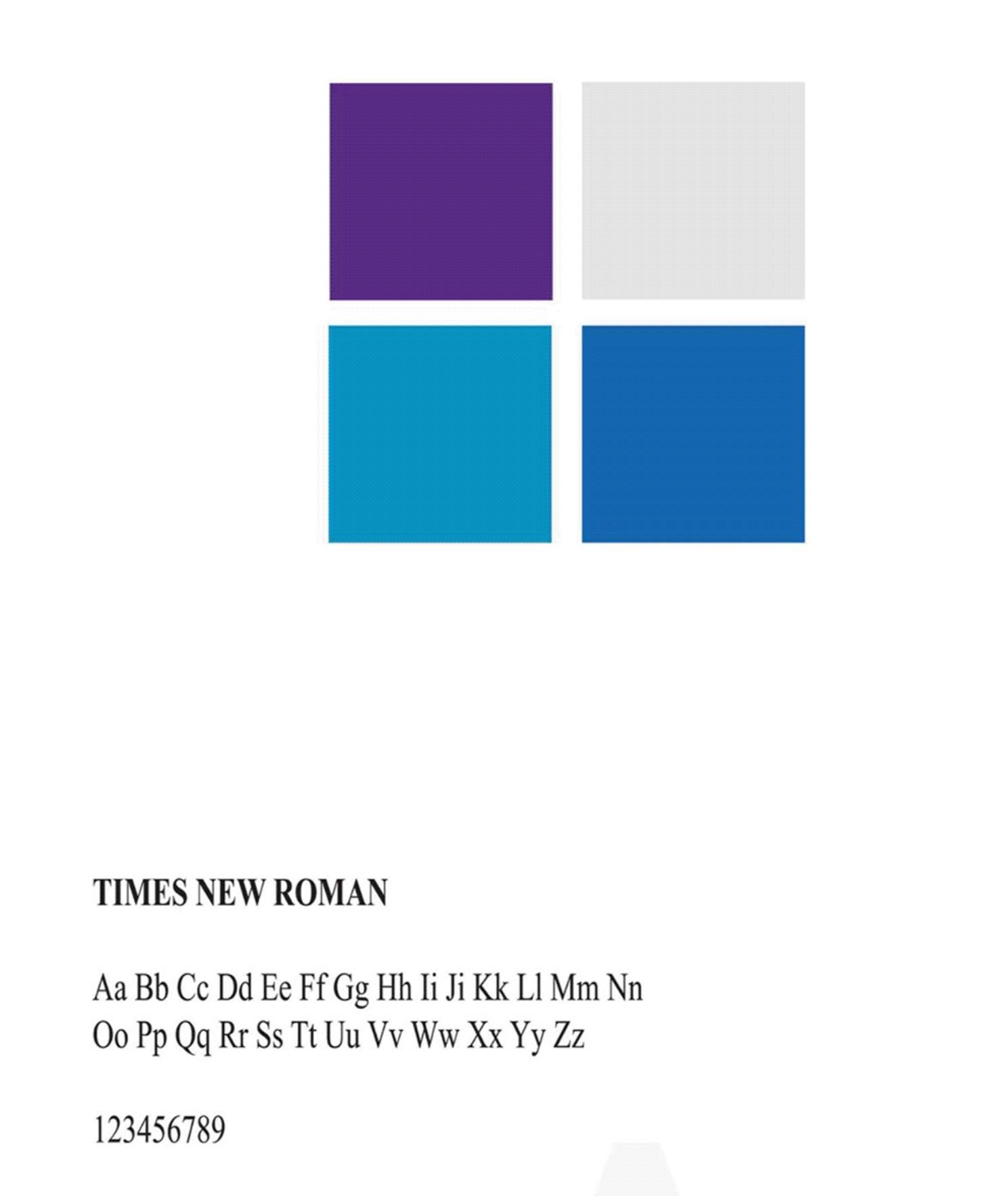
After further research was conducted on the wireframes, I started the high-fidelity design process which included creating our colors and branding for the product and a working prototype to test with our users.
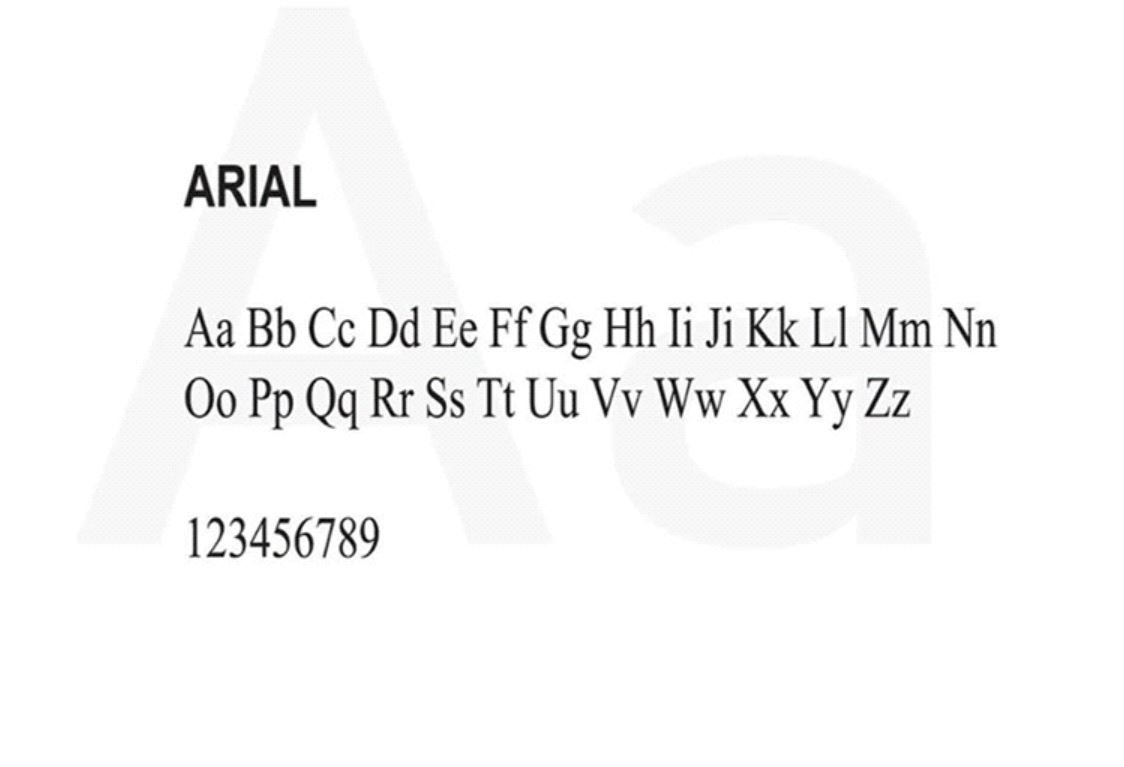
We made sure to have our users engaged throughout the design process to ensure we were still keeping them at the center while following company design system standards. Displayed below our the colors and fonts selected for the product.

Test
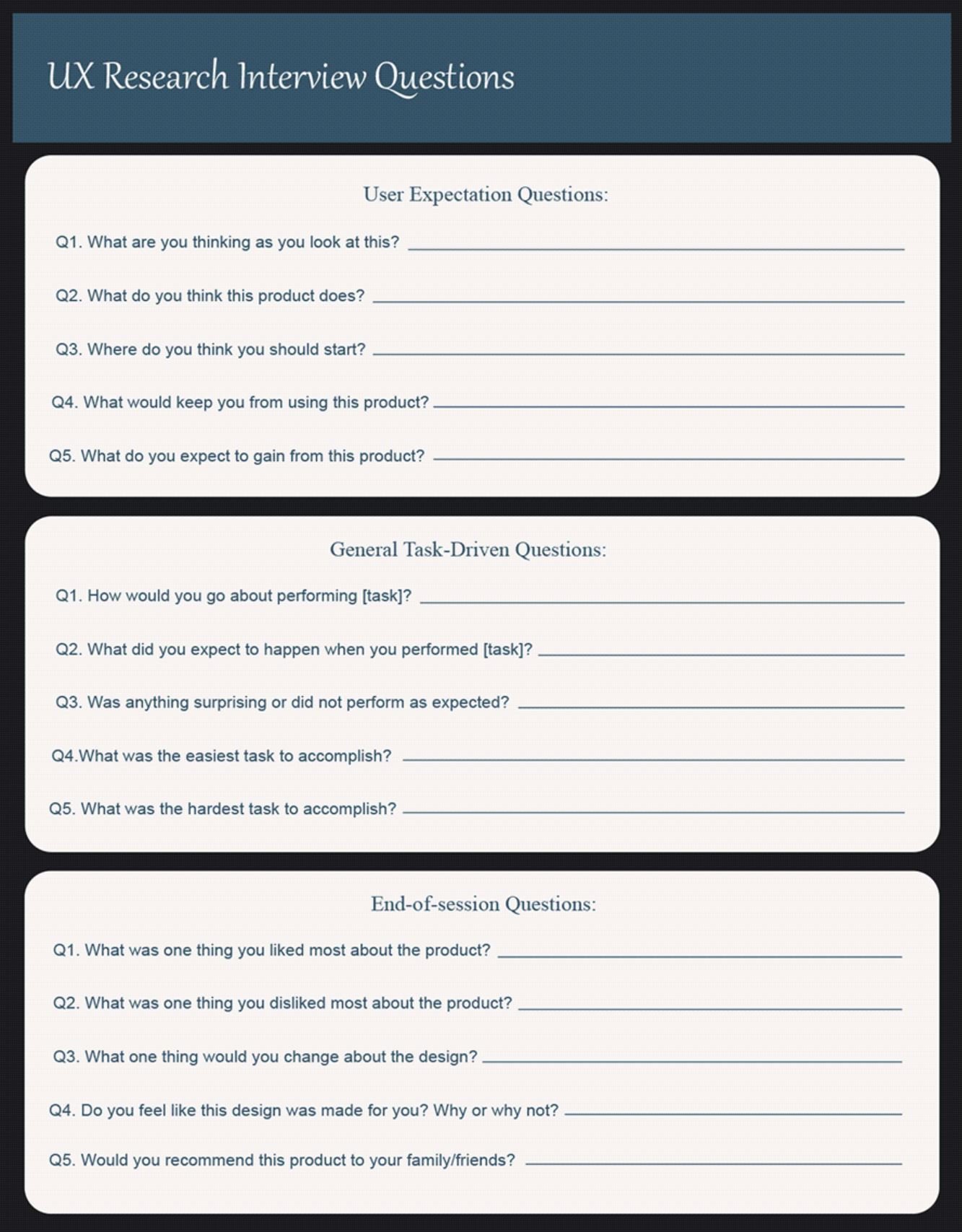
After the design process was done and we had a working prototype I conducted one on one user interviews and group based testing to gather any last additional feedback before we started development.
Below is the sample question list I built used for our interviews.
Reflection
Over the course of this project it took us about 1.5 years from the strategy and ideation phase to development in production. After the product was live for a month I sent out a survey to our users on ease of use, overall rating, paint points resolved and our users rated us a 4.6 out of 5 stars.
Throughout this product I learned that good research is so important. Taking the extra time to thoroughly research the problem you’re trying to solve with yield better results for your users.
I also learned that iterating over your designs with gathered research is vital. Considering feedback at every stage was extremely beneficial to the product design and I believe the reason why we received such good ratings from our user base.
Lastly, the fact that we kept our users at the center of our design process speaks to the success of the product. If your don’t understand what your product is trying to solve you could have a beautiful but useless product.