
GitLab Checkout Experience
About this project
The Customers Portal purchasing platform at GitLab has suffered from systematic neglect, creating a fragmented user journey with significant usability barriers. This technical and design debt has produced an inconsistent experience that fails to scale with business growth, directly impacting conversion rates and customer satisfaction across our acquisition channels.
Project goals:
Create a unified purchase ecosystem that's both intuitive
and adaptable, seamlessly handling everything from first purchases to subscription changes while scaling effortlessly as we grow.
Design Criteria
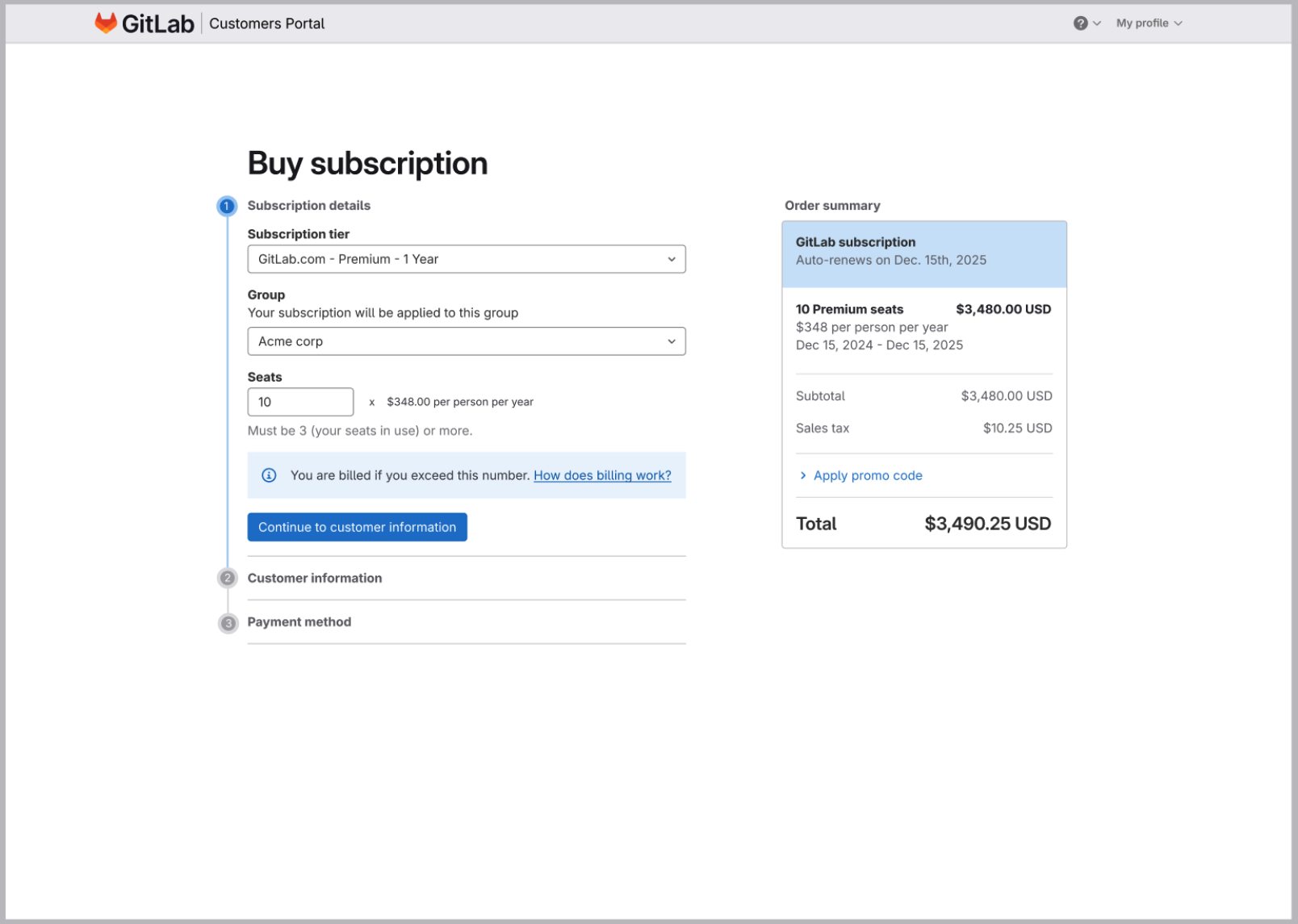
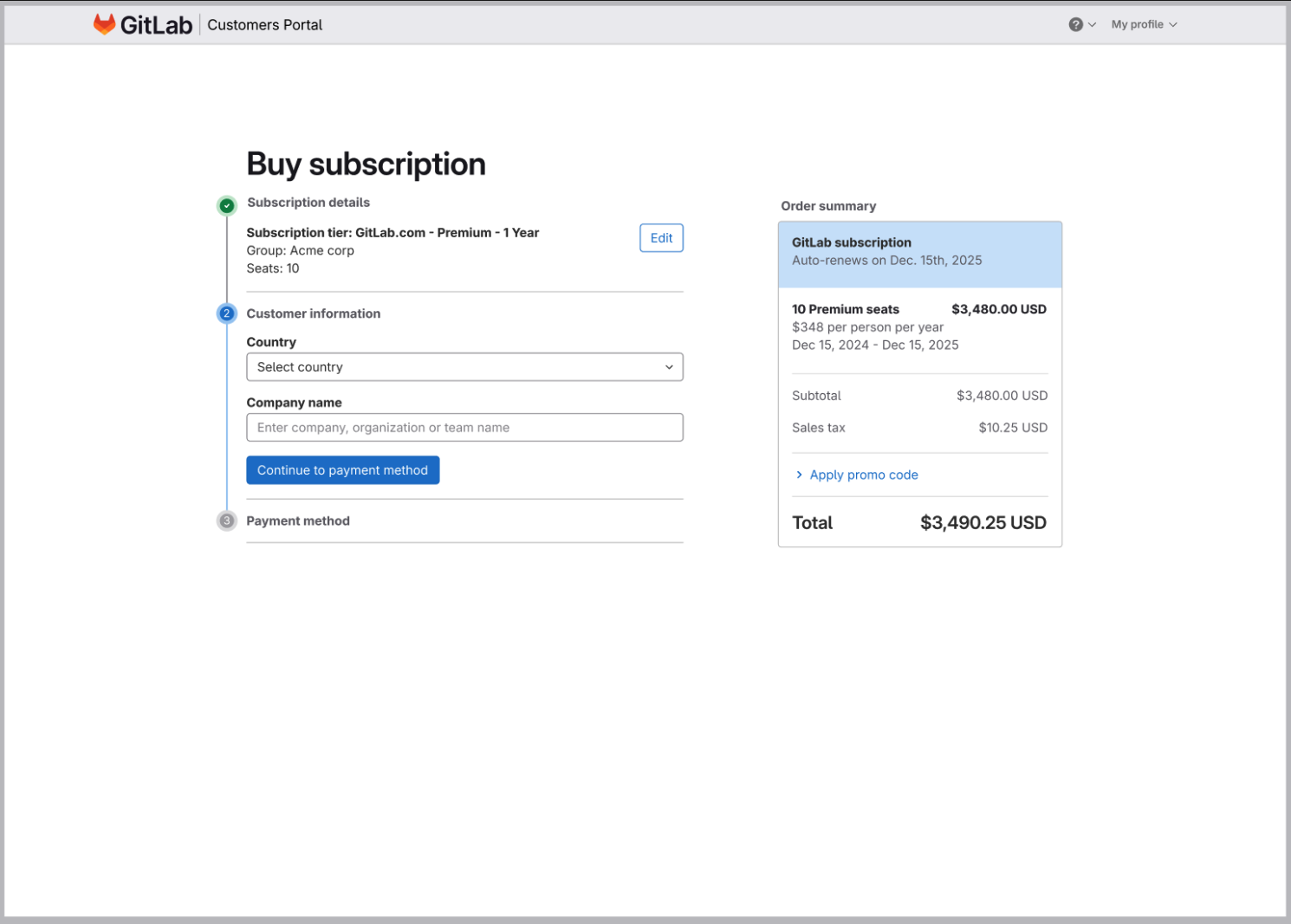
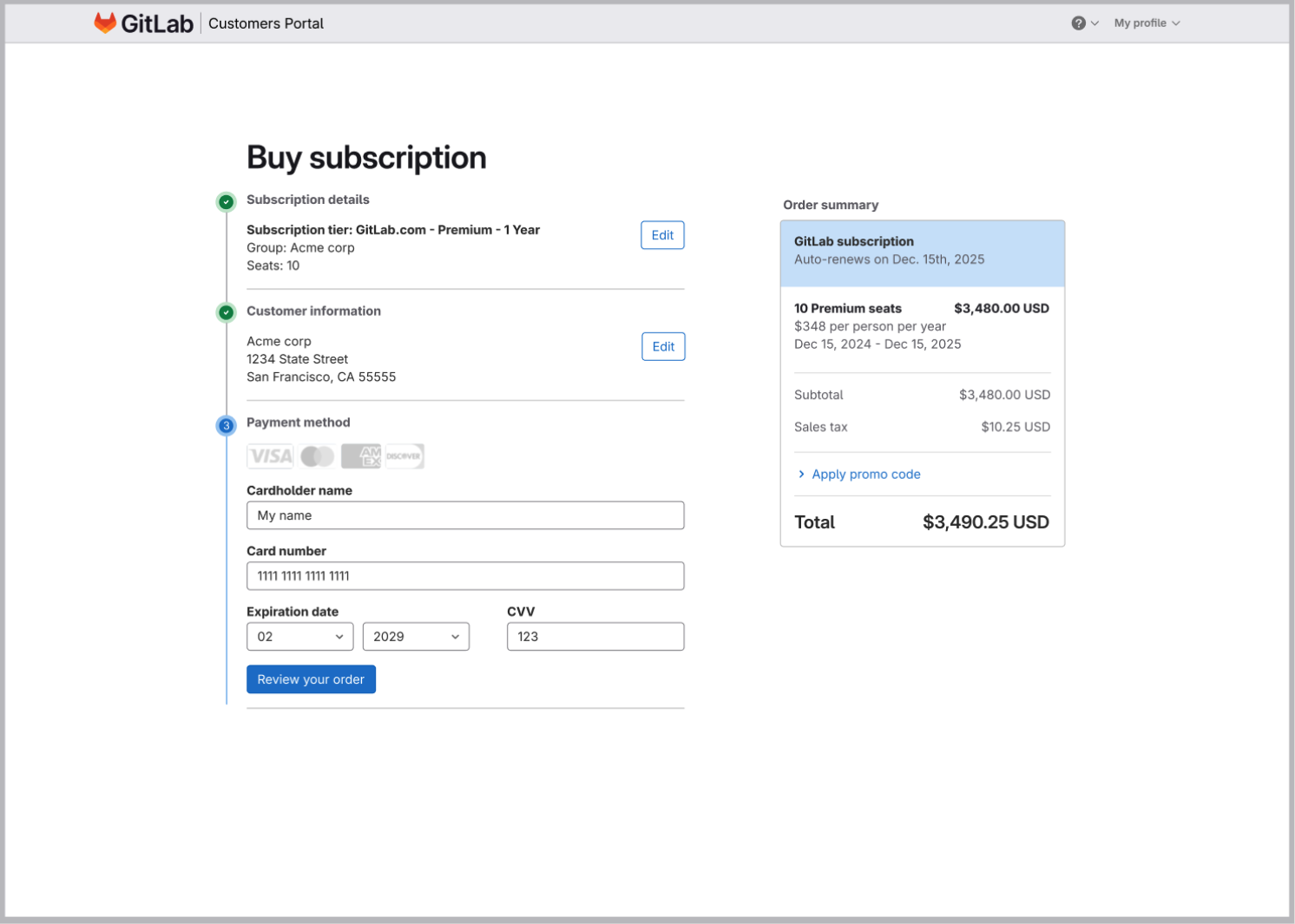
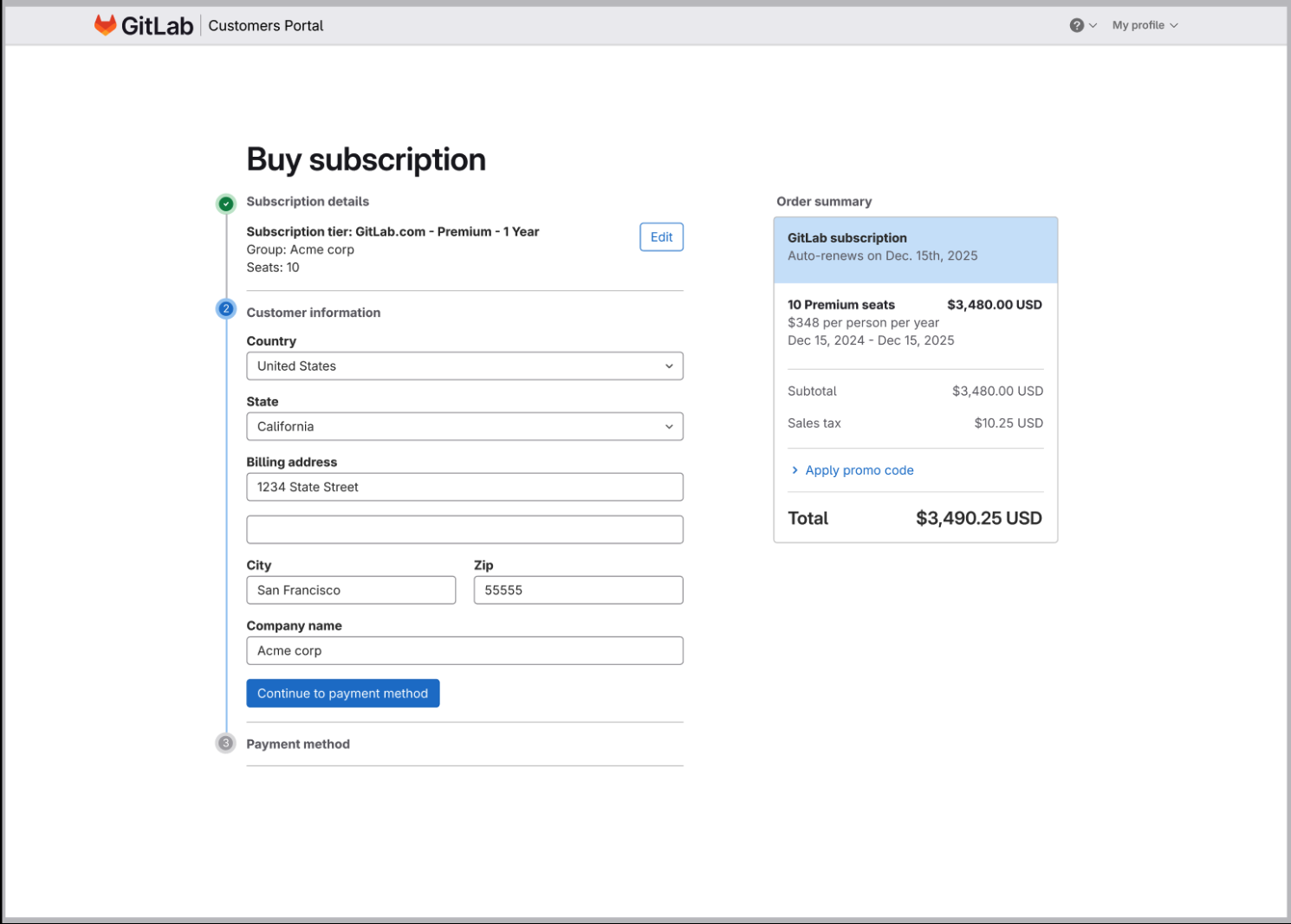
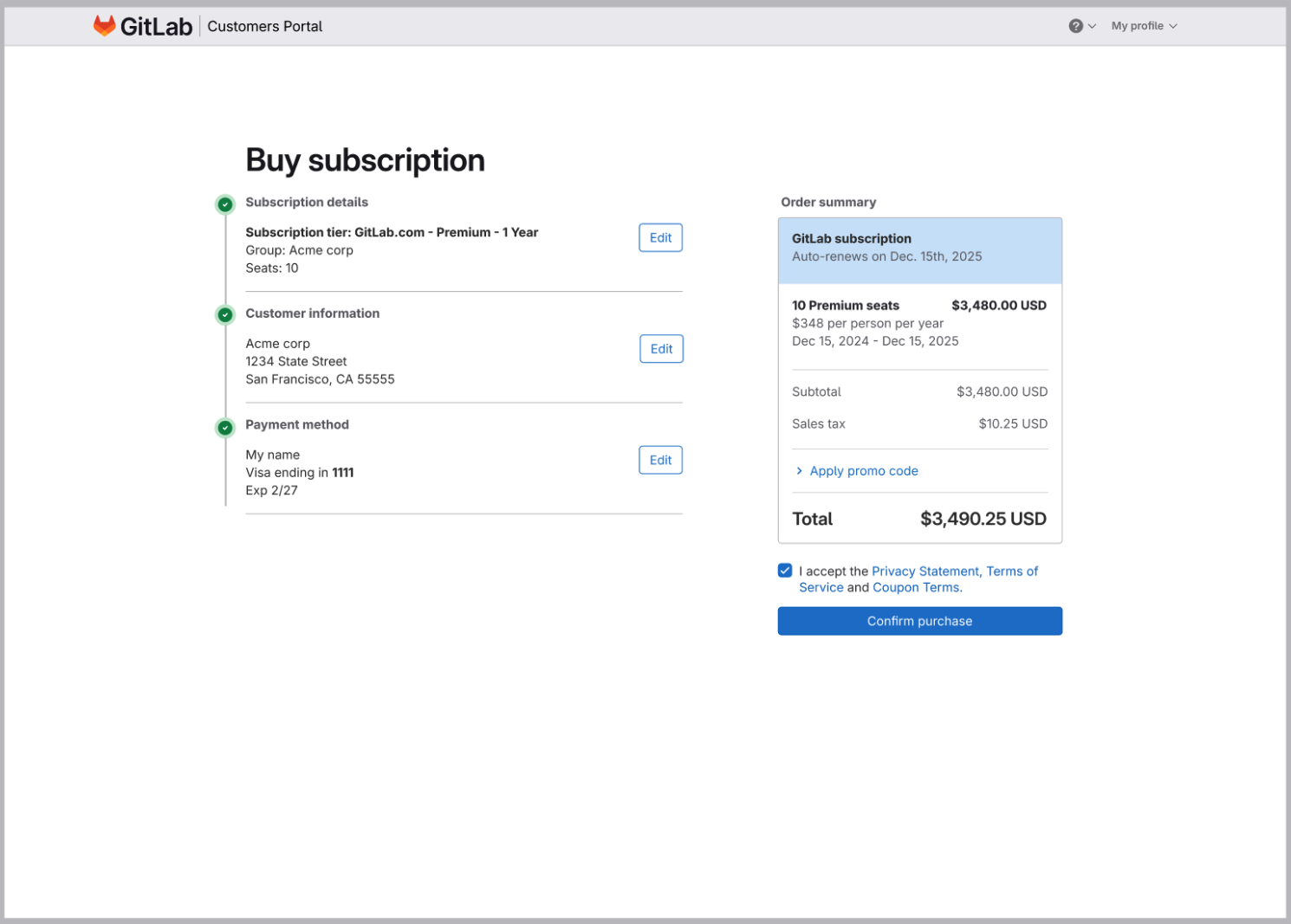
Create a comprehensive checkout process capturing essential subscription parameters including GitLab plan selection, group configuration, seat quantity, and term dates.
The system collects complete customer information (billing details, company data, tax identification) while supporting both new and returning payment methods. It must clearly present financial information including subtotal, taxes, and final charges with USD reference pricing.
Additional functionality includes promotional code redemption capability and terms acceptance checkpoints.
My role and contributions
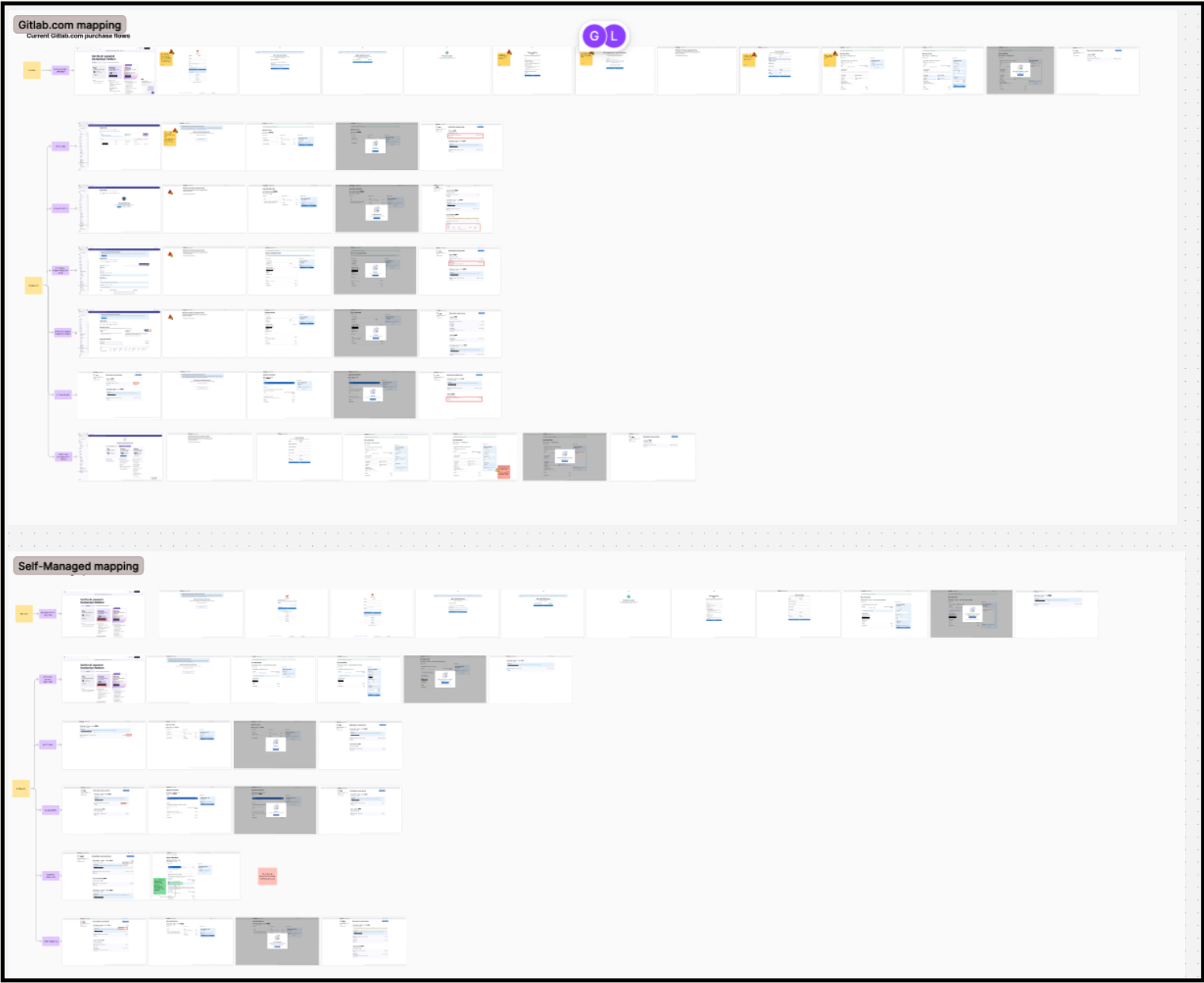
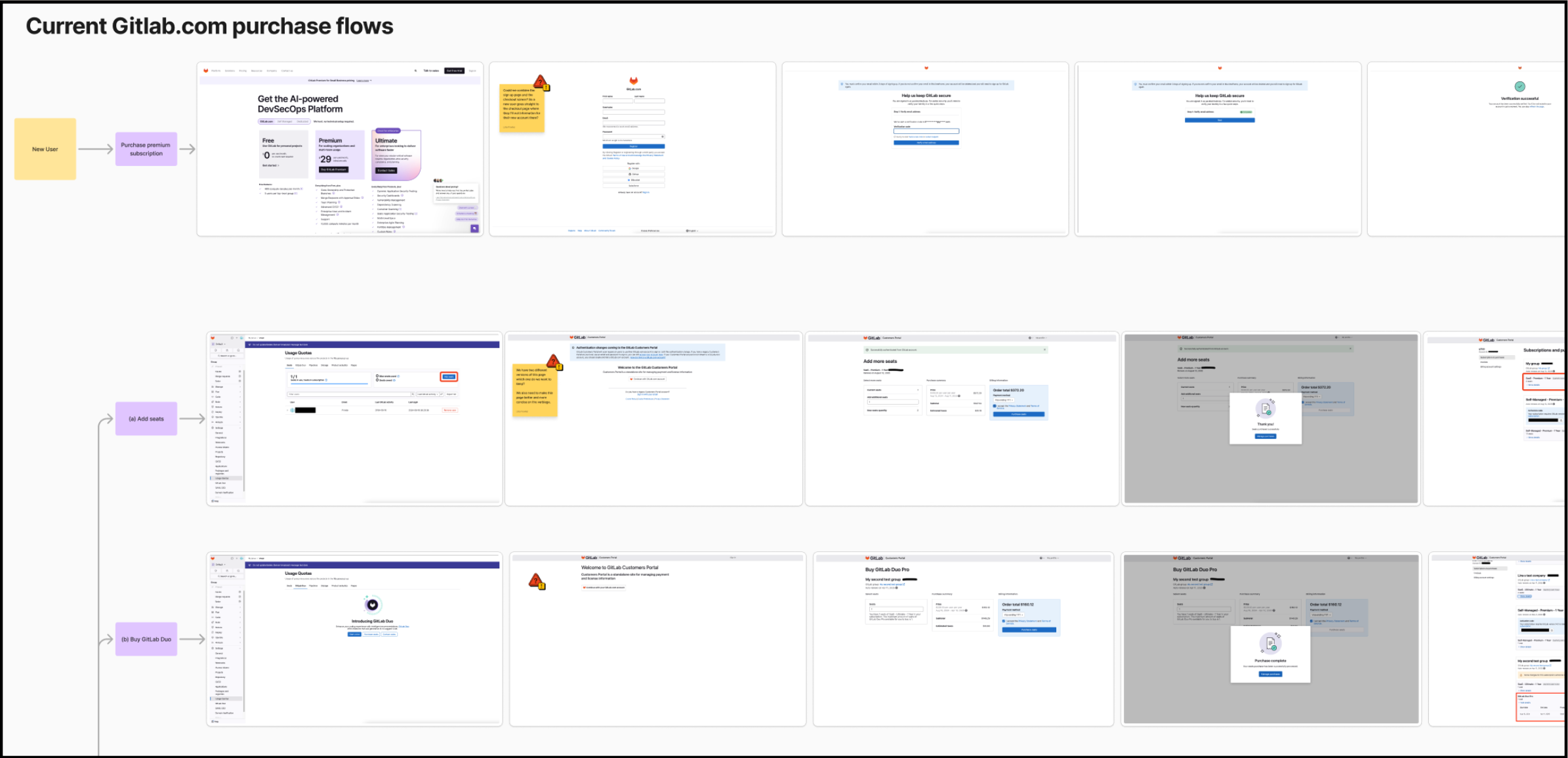
Conducted comprehensive mapping of existing purchase flows to identify pain points and opportunities
Documented detailed requirements through stakeholder interviews and system analysis
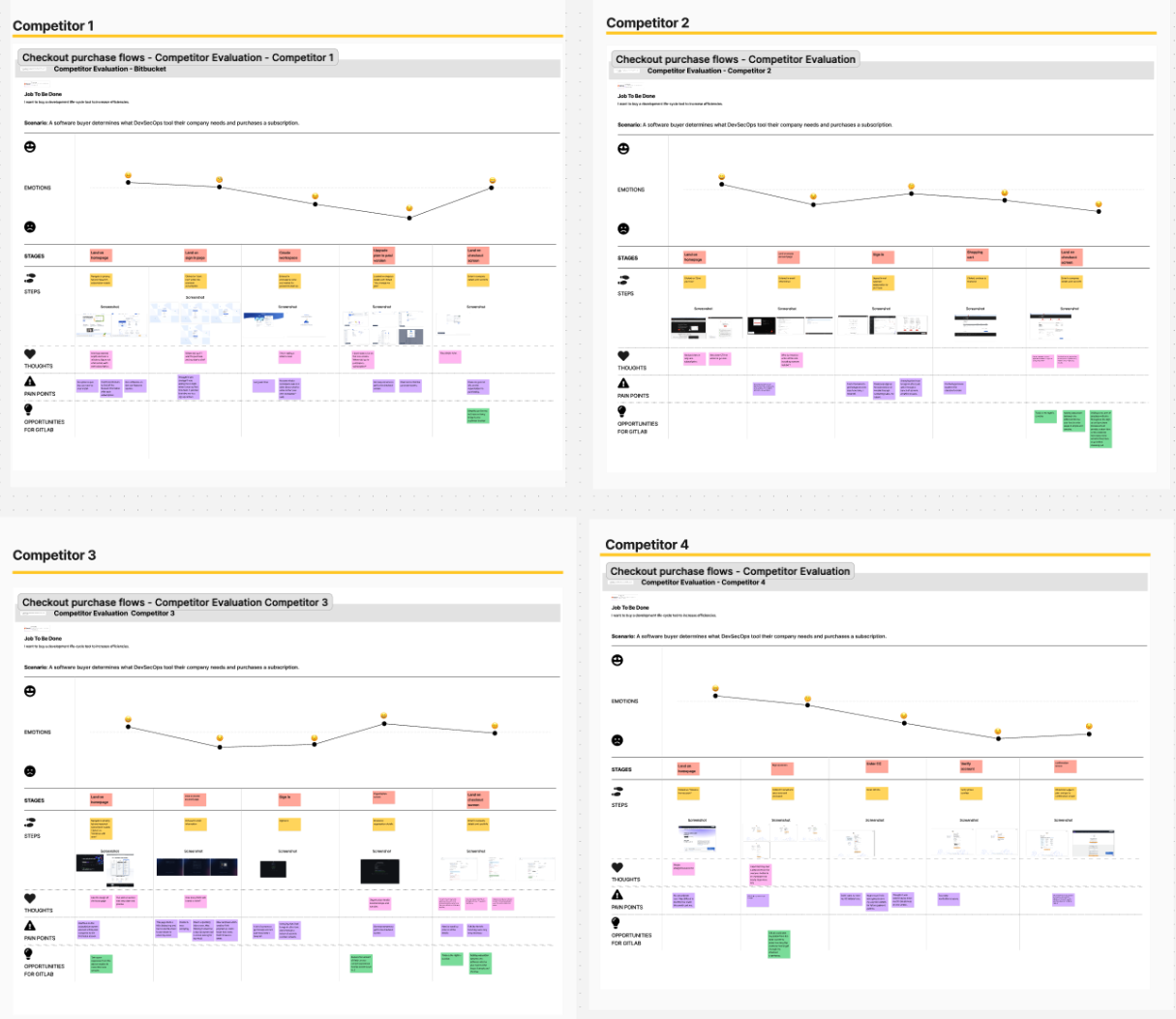
Performed competitive analysis of industry checkout experiences to establish best practices
Led alignment meeting with Growth team to validate business requirements and KPIs
Facilitated engineering review session to ensure technical feasibility of proposed solutions
Conducted solution validation through user testing and stakeholder feedback
Developed and tested additional prototype for alternative approach (Option 3)
Delivered final design solution with comprehensive documentation
My typical design process
-
Interview users to get a better understanding of the problem we are trying to solve. Create personas to understand user pain points.
-
Create site map, user flows, sketches and basic low-fidelity wireframes.
-
Create high-fidelity designs, style guide, prototype, stakeholder reviews and gather user feedback.
-
Conduct user interviews and user testing to test live prototype and gather additional feedback.
Research & Define
Before designing I conducted a comprehensive audit of GitLab's purchasing ecosystem, developing detailed experience maps and requirement documentation for both GitLab.com and Self-Managed deployment models.
This analysis included creating a structured UX scorecard evaluating critical dimensions, including information architecture, interaction patterns, error handling, and conversion optimization, for each purchase pathway. This systematic assessment established clear baseline metrics while identifying specific improvement opportunities prioritized by user impact and implementation complexity.
Ideate
I approached ideation through rigorous competitive analysis of checkout flows across both direct competitors and e-commerce leaders, supplemented by Baymard Institute's checkout optimization research.
This combined methodology established evidence-based design principles while ensuring our solution would address the unique challenges of enterprise subscription management.
Design
After thorough research analysis, I implemented a design strategy emphasizing simplicity and progressive disclosure, revealing complexity only when contextually relevant.
This approach established a clear information hierarchy that minimized cognitive load while maintaining the comprehensive functionality required for enterprise subscription management.
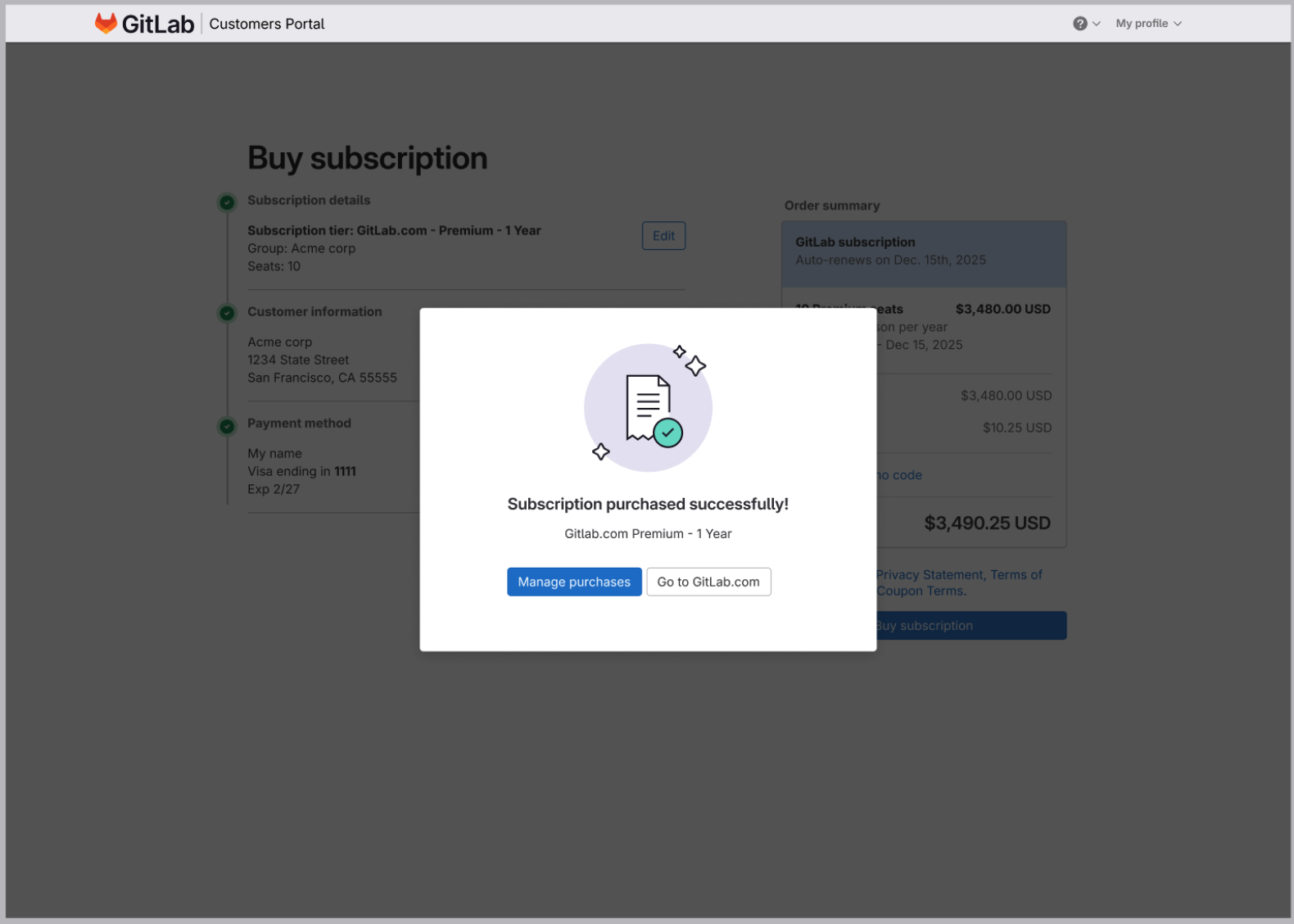
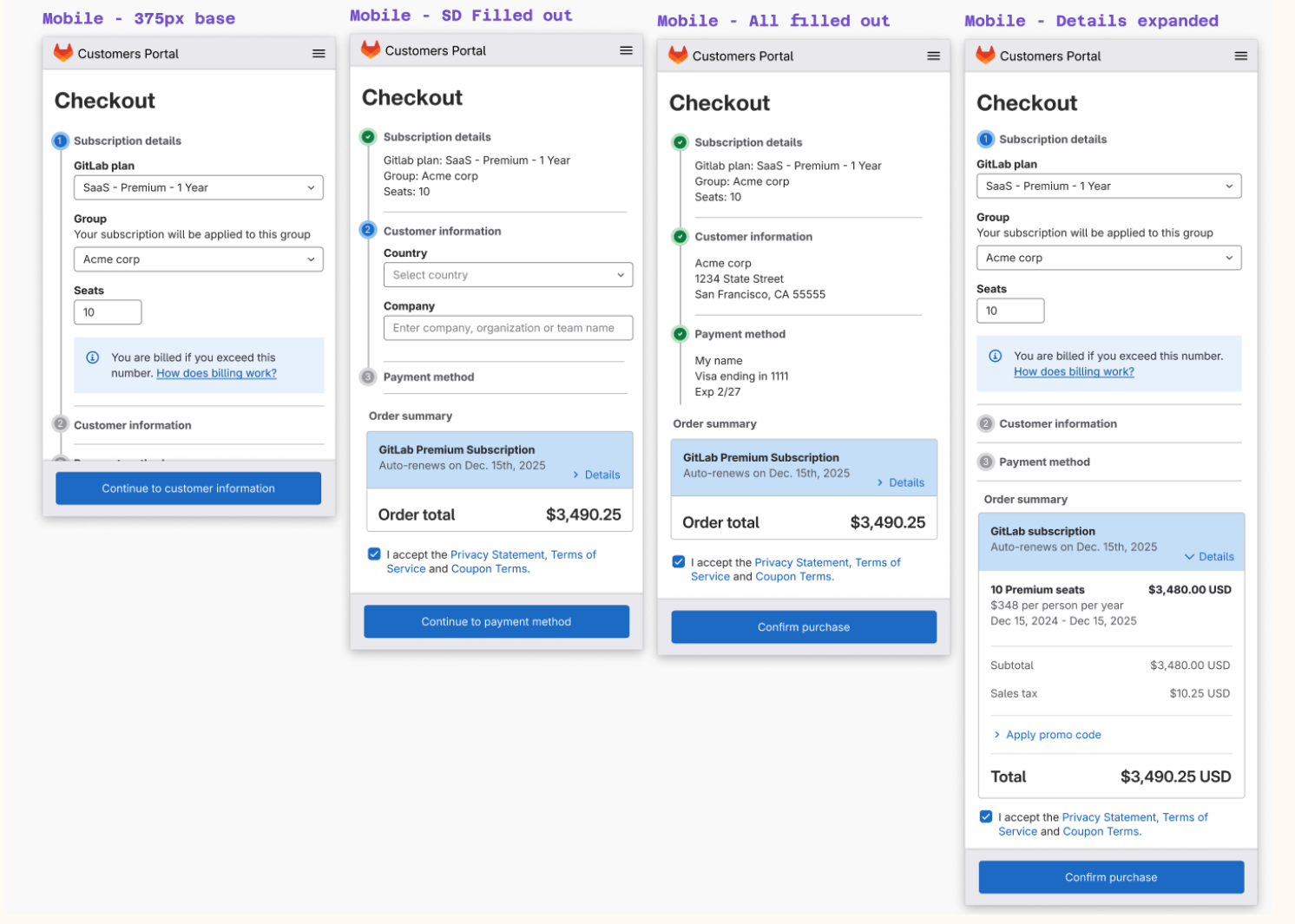
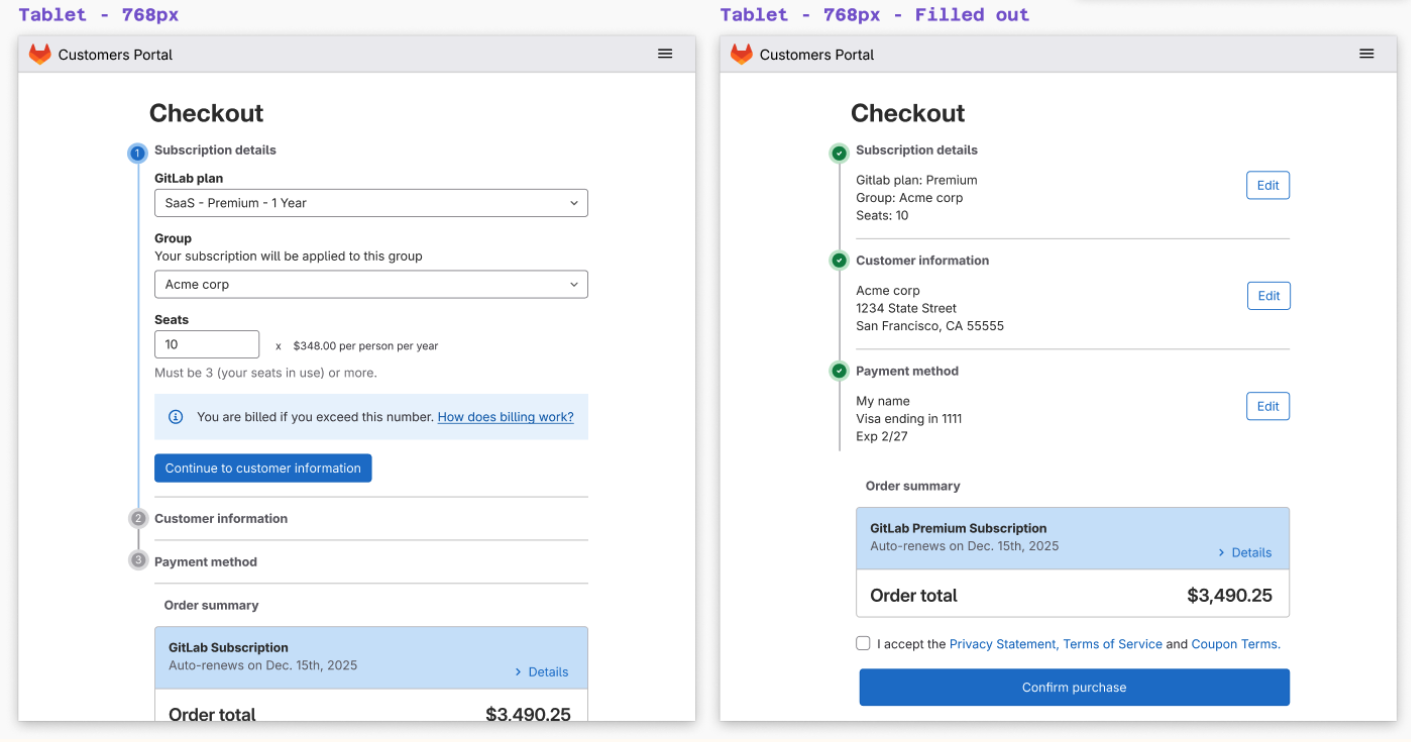
Responsive designs
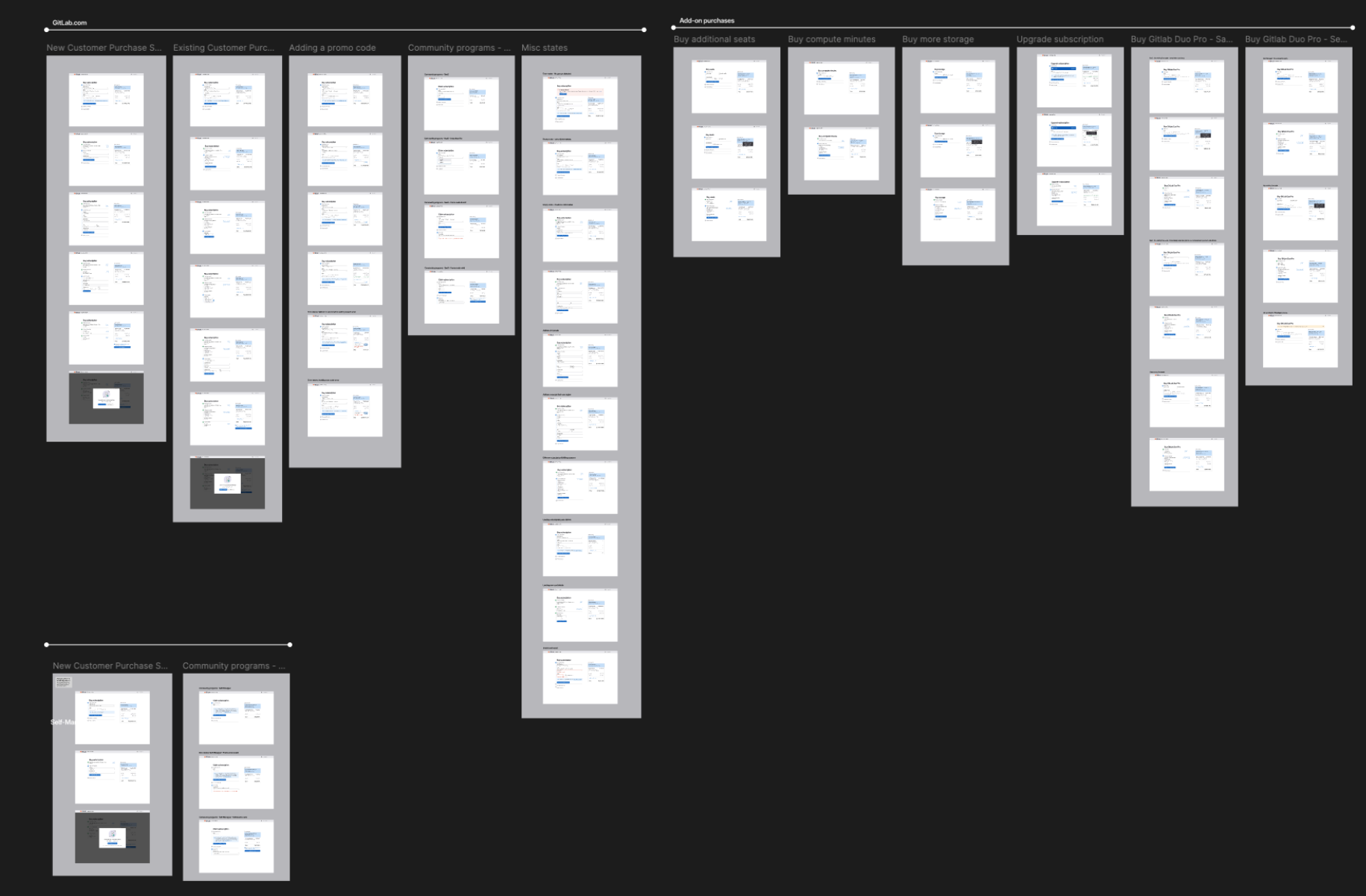
Mapping of all product checkout flows

Testing
To validate my solution, I implemented structured testing across UserTesting and
Dovetail platforms using five targeted interactive prototypes.
Each variation explored specific experience aspects with controlled variables, enabling both quantitative comparison between alternatives and qualitative assessment of user mental models through a comprehensive testing protocol.
I ran A/B tests for different variations of the design to see which option outperformed.
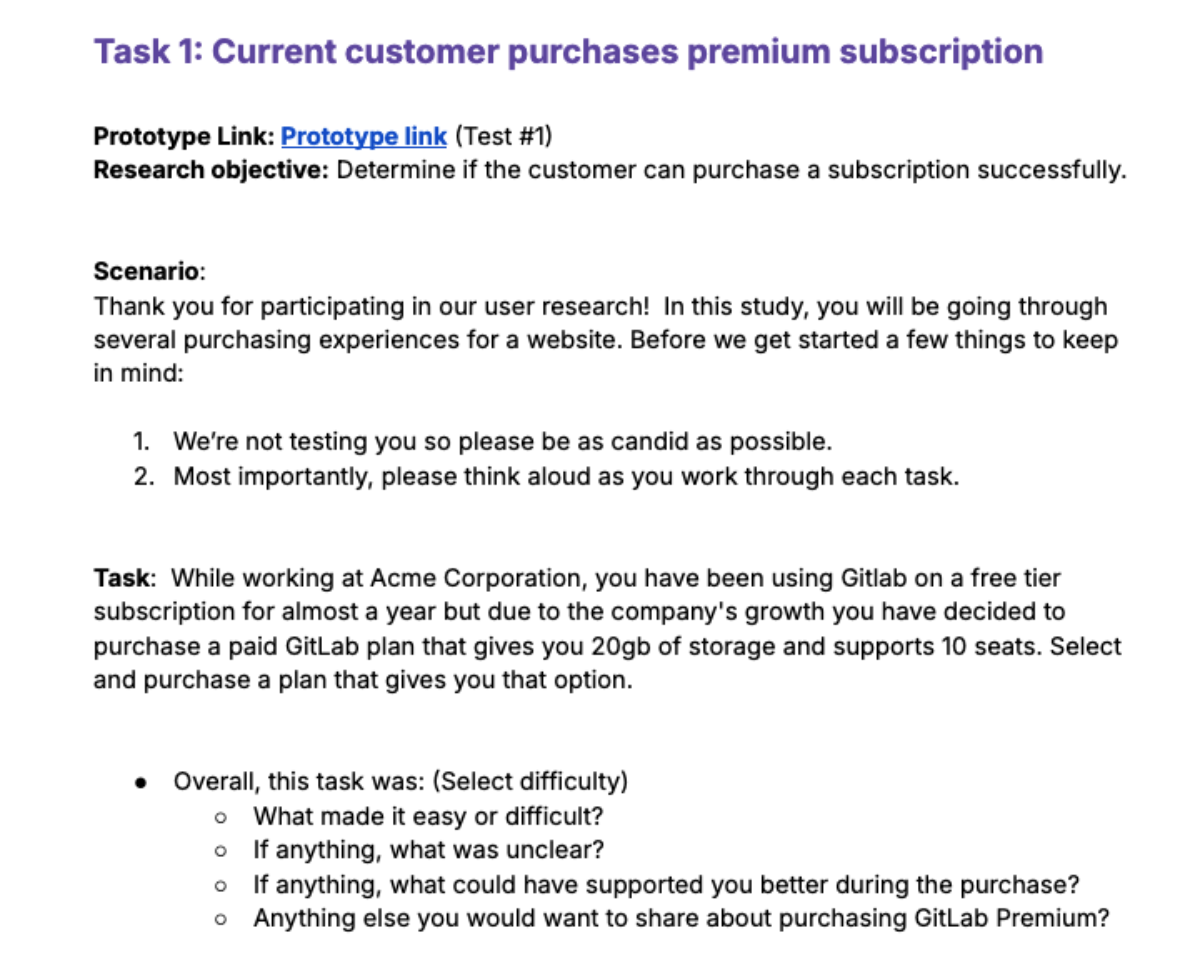
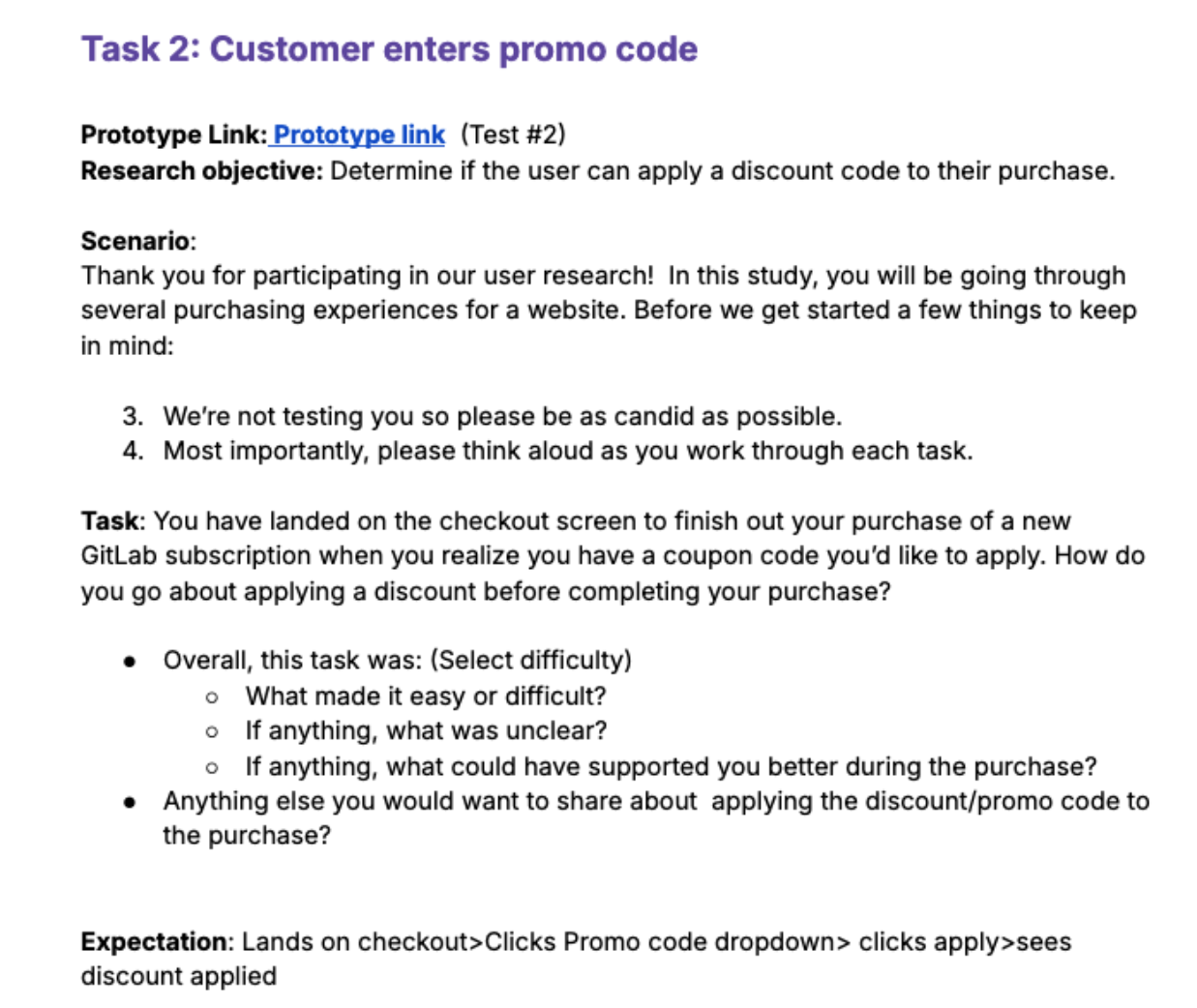
I developed a multi-faceted research protocol combining structured task evaluation with exploratory inquiry for client administrator testing.
This methodology progressed from contextual background questions through specific workflow assessments and comparative scenarios, concluding with strategic reflection. This approach generated actionable insights while establishing clear metrics for subsequent design iterations. Below are some examples of the task I created:
Reflection
User testing of our redesigned checkout experience yielded overwhelmingly positive results, with participants describing the flow as intuitive and aligned with their
expectations. The validation confirmed that critical interactions, including the core purchase process, promotional code redemption, and stepper navigation were easily understood without creating friction in the conversion funnel.
The implementation has now scheduled for development, with a structured measurement framework in place to evaluate performance against established KPIs.
Following release, I'll conduct a comprehensive retrospective analysis using quantitative metrics and qualitative feedback to identify optimization opportunities for subsequent iterations.